
When your trusted GE freezer suddenly stops working, it can be a cause for concern. Not only does this put your stored food at risk, but it also presents an unexpected challenge in your daily home management. At TheKitchenApplianceDad.com, we understand the importance of getting your appliance back up and running. Here’s a comprehensive guide to help you diagnose and fix your GE freezer efficiently.
Check the Power Supply:
The first step is to ensure that your freezer is properly plugged in. It might sound simple, but sometimes the plug can become loose or disengage from the socket slightly, causing the appliance to lose power. If the plug seems secure, check your circuit breaker or fuse box to see if the circuit has tripped or a fuse has blown.
Inspect the Thermostat:
The thermostat controls the temperature settings in your freezer. If it’s set too high, your freezer won’t maintain the proper temperature. Ensure that it’s set to the correct level, which for most freezers is around 0°F (-18°C).
Examine the Coils and Condenser Fan:
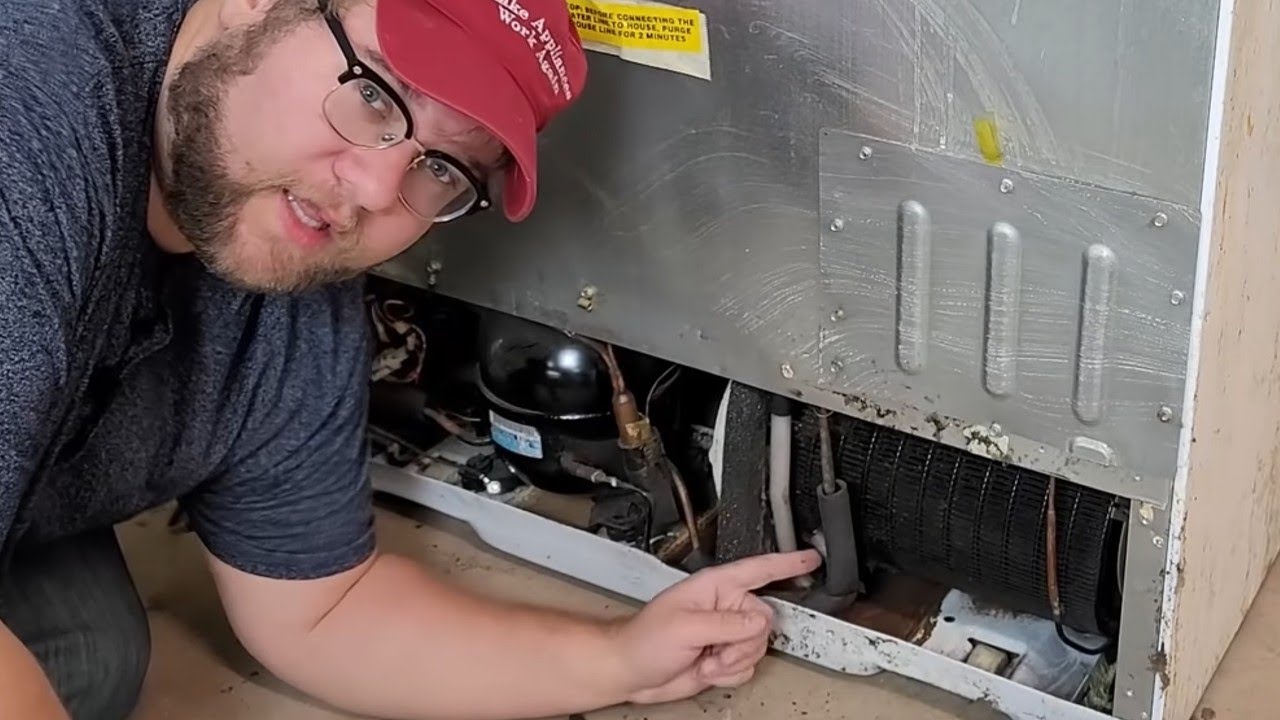
Dust and debris can clog the condenser coils, leading to poor cooling performance. Unplug the freezer, locate the condenser coils — usually at the back — and clean them thoroughly. At the same time, check if the condenser fan is blocked or malfunctioning. A non-working fan can cause the freezer’s compressor to overheat and shut down.
Defrost System Problems:
If your GE freezer has a self-defrosting feature and it’s not cooling properly, the defrost timer, defrost heater, or defrost thermostat might be faulty. You can manually defrost the freezer by turning it off and letting the ice melt completely, then turning it back on. However, if the problem persists, these components may need replacement.
Evaporator Fan Issues:
The evaporator fan circulates cold air from the coils throughout the freezer. If this fan is not working, the freezer will not cool effectively. Check if the fan is obstructed or if you hear unusual noises indicating a malfunction. Replacing the fan can often resolve this issue.
Faulty Door Seal:
A damaged or worn-out door seal can cause frost build-up and impair the efficiency of your freezer. Inspect the seal around the door for any cracks or gaps and replace it if necessary.
While many freezer issues can be resolved with some basic troubleshooting and minor replacements, some problems require professional attention. If your GE freezer is experiencing compressor issues, coolant leaks, or electronic malfunctions, it’s advisable to contact a certified technician. Handling these components can be hazardous and may void your warranty if not done properly.
Regular Cleaning:
Regularly clean the interior and exterior of your freezer. Wipe down the inner walls, shelves, and bins with a mild detergent. Vacuum the condenser coils every six months to remove dust build-up.
Check the Door Seal:
Make a habit of checking the door seal a couple of times a year for any signs of wear or damage. A good seal is crucial for maintaining the efficiency of your freezer.
Keep It Level:
Ensure that your freezer is level. An uneven freezer can lead to improper door alignment and sealing issues, which can affect the cooling efficiency.
Avoid Overloading:
Overloading your freezer can restrict airflow, which decreases the cooling efficiency. It also forces the compressor to work harder, which can shorten its lifespan.
By following these steps, you can often diagnose and resolve issues with your GE freezer without needing to call in a professional. Remember, regular maintenance not only helps in fixing issues but also prolongs the life of your appliance. Stay tuned to TheKitchenApplianceDad.com for more tips and advice on managing and maintaining your kitchen appliances efficiently.