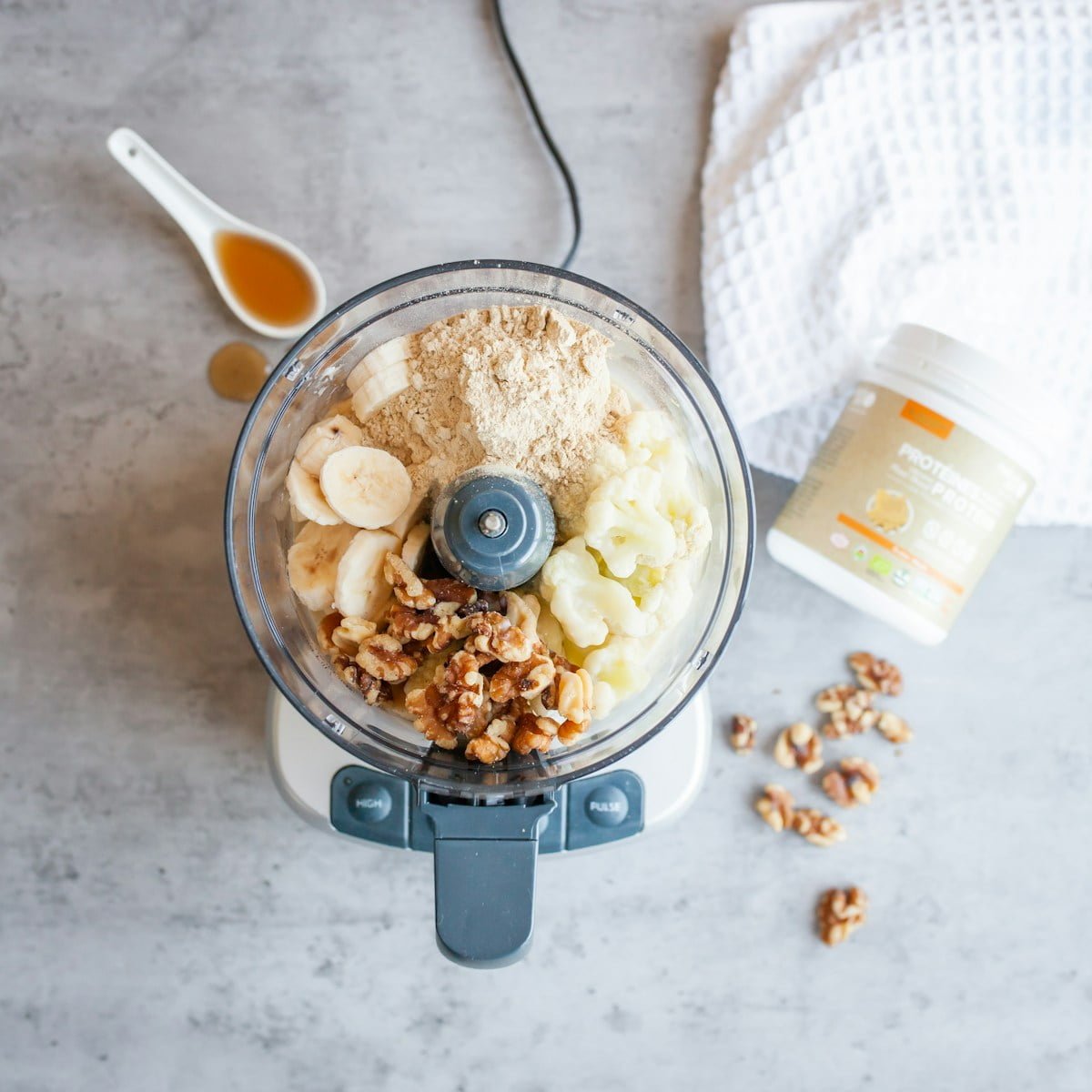
Kitchen blenders have become an essential appliance in most homes for quickly and easily blending smoothies, soups, sauces, and more. Ninja blenders in particular have gained popularity for their powerful motors and sharp blender blades that can handle tough ingredients. But with different Ninja blender models come different types of blades, which work better for certain tasks. Here is an overview of common Ninja blender blades to help you understand their differences and pick the right one for your blending needs.
There are 3 main types of blades used in Ninja blenders:
This is the classic Ninja blade found on models like the Ninja Professional Blender. The stacked blade assembly consists of 6 total blades fused together into an X shape with 4 main blades and 2 smaller blades in the center.
The stacked blades provide multiple cutting planes and are ideal for blending smooth frozen drinks, pureeing soups and sauces, grinding nuts and seeds, and processing tough ingredients. The sharp edges and centered blades pulverize ice, frozen fruit, and fibrous vegetables with ease.
No products found.
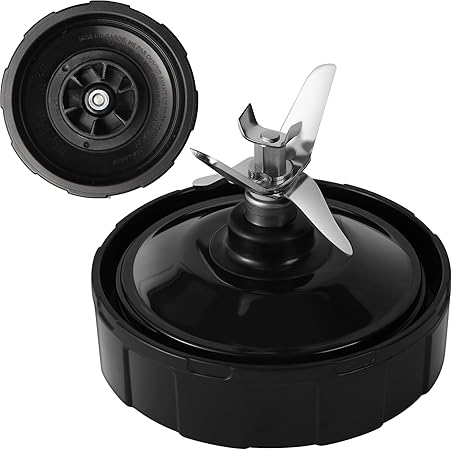
Seen on Ninja’s food processor models like the Foodi Power Pitcher System, the total crushing blade is a single S-shaped stainless steel blade. It is designed for chopping, mincing, grinding, and pureeing a variety of ingredients evenly and efficiently.
The wide S-shape blade draws food into its curve to efficiently process ingredients. It excels at chopping vegetables for salsa, dicing onions, grinding breadcrumbs, and more. The single blade allows for larger chunks of food compared to stacked blades.
No products found.
Exclusive to select Ninja blenders like the Ninja Chef and Ninja Foodi blenders, these special blades are meant for fast and smooth blending. The cyclonic blades contain six angled blades that create a “cyclonic” blending vortex inside the pitcher.
This vortex action pulls ingredients down onto the blades to blend everything smoothly and uniformly. The cyclonic blades excel at making smoothies, purees, batters, dressings, and anything you want an ultra-smooth consistency. The angled blades prevent food from getting stuck while blending.
No products found.

While the blade design plays a big role, there are other factors that impact how well Ninja blender blades perform:
Here are some tips to use your Ninja blender blades safely and effectively:
Understanding the various Ninja blender blades and how to use them allows you to leverage the right blade design for the perfect blend every time. With the proper blade, your Ninja blender can handle countless blending tasks with ease.